Containers: Lightweight Virtualization
One of the major innovations in server-based infrastructure has been the advent of containerization technologies like Docker.
Containers are lightweight, standalone, and executable packages of software that include everything needed to run an application—code, runtime, system tools, libraries, and settings. Unlike traditional virtual machines, containers share the host system’s operating system but remain isolated from each other, making them more resource-efficient.
Advantages of Containers:
-
Control and Customization:
- Containers encapsulate all dependencies, making applications easily portable across different environments, whether it's a developer’s laptop, a testing server, or a production cloud environment.
-
Efficiency:
- Containers are lightweight and require fewer system resources than traditional virtual machines, allowing for higher density of applications on a single host.
-
Consistency:
- Containers provide consistent environments, reducing issues caused by discrepancies between development and production setups.
Traditional Approach: In a traditional setup, applications might be hosted directly on physical or virtual servers. Virtual machines (VMs) are more resource-intensive than containers, as each VM runs its own operating system. Containers, on the other hand, are more lightweight and can run multiple isolated applications on the same host OS.
Self-Hosting vs. Cloud: Containers can be implemented both in self-hosted environments and in cloud-based settings, offering flexibility regardless of the hosting approach.
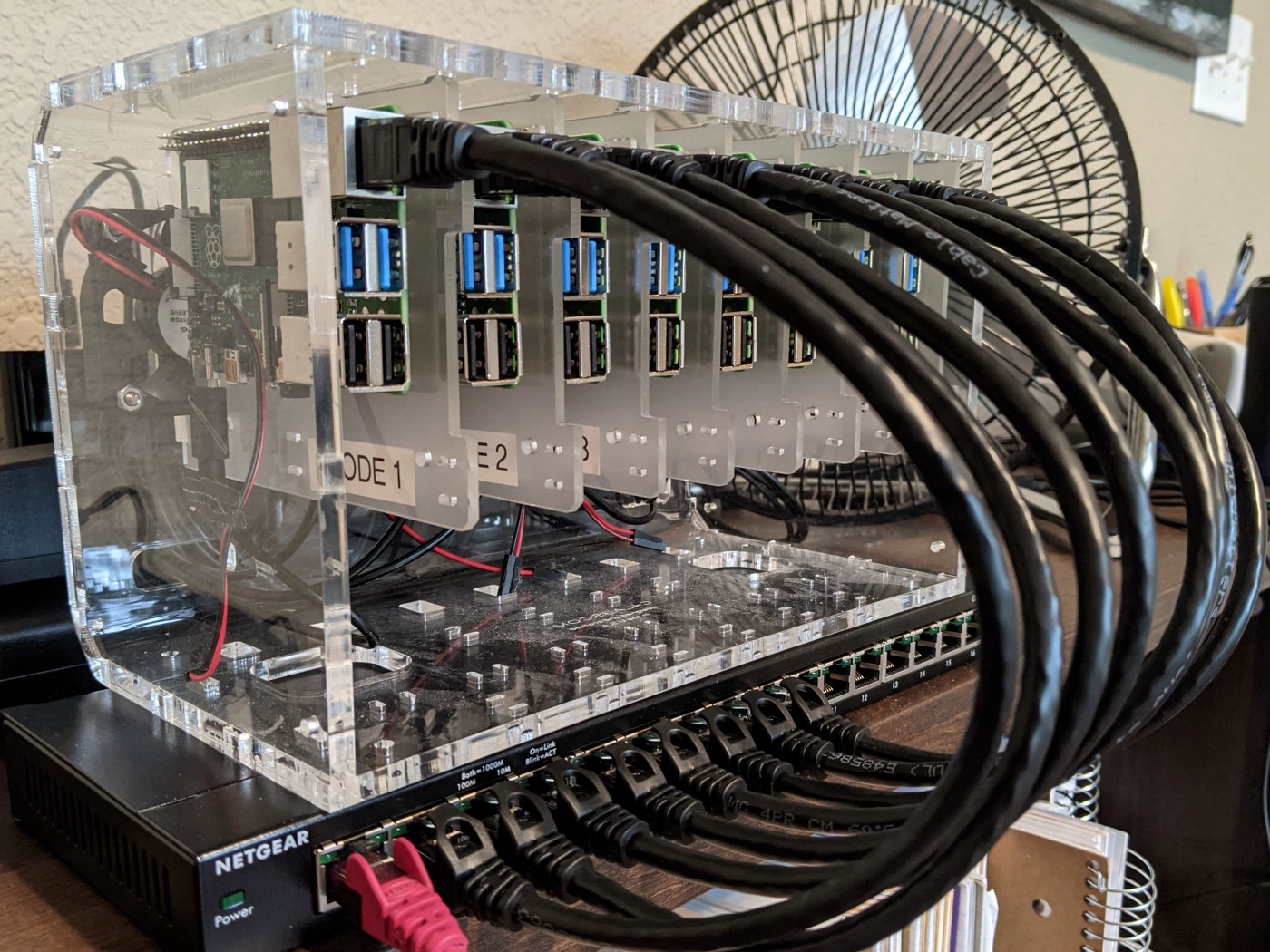
Clusters: Distributed Systems
Moving beyond single-server setups, cluster-based infrastructures like Kubernetes allow for the management and orchestration of containerized applications across multiple servers, providing scalability, high availability, and resilience.
Kubernetes is an open-source platform for automating the deployment, scaling, and management of containerized applications. It enables you to create and manage clusters of servers that act as a single system, distributing workloads across multiple nodes.
Advantages of Clusters
-
Scalability:
- Clusters allow applications to scale horizontally, adding more servers to handle increased load.
-
Resilience:
- Clusters provide fault tolerance by distributing workloads, ensuring that if one node fails, others can take over.
-
Resource Efficiency:
- Clusters enable efficient utilization of resources across multiple nodes, balancing workloads dynamically.
Traditional Approach: In a traditional setup, scaling often meant vertically scaling a single server by adding more resources. In contrast, clusters focus on horizontal scaling, distributing workloads across multiple servers for enhanced resilience and scalability.
Self-Hosting vs. Cloud: Clusters can be implemented in self-hosted environments or cloud-based settings. In cloud environments, services like Azure Kubernetes Service or Google Kubernetes Engine offer managed cluster setups.
Serverless Computing: Event-Driven Execution
In recent years, cloud providers have introduced serverless computing, a paradigm where developers can focus solely on writing code while the cloud provider manages the underlying infrastructure. With serverless, you pay only for the actual compute time used when executing functions or handling events.
Serverless Computing typically involves Functions as a Service (FaaS), where you write individual functions that execute in response to specific events, such as user input or file uploads.
Advantages of Clusters
-
Simplified Management:
- Serverless abstracts away the infrastructure, allowing developers to focus on code without worrying about server provisioning, scaling, or maintenance.
-
Cost Efficiency:
- Serverless operates on a pay-as-you-go model, charging only for actual compute time, which can be cost-effective for unpredictable or intermittent workloads.
-
Automatic Scaling:
- Serverless functions scale automatically based on demand, ensuring optimal resource usage without manual intervention.
Traditional Approach: In a traditional setup, services would often run continuously on dedicated servers, regardless of usage. Serverless computing, in contrast, focuses on event-driven execution, saving resources by running only when needed.
Self-Hosting vs. Cloud: While serverless computing is primarily associated with cloud hosting, some platforms like OpenFaaS offer self-hosted serverless solutions. Though due to the nature of serverless, most of it's advantages are moot when self-hosted
Other Modern Paradigms
Beyond the paradigms mentioned, several other modern approaches to server infrastructure have emerged, each catering to specific needs:
-
Microservices:
- This architectural style structures applications as collections of loosely coupled services, enabling flexibility and scalability. Microservices often pair well with containers and clusters.
-
Edge Computing:
- Edge computing moves computation closer to data sources, enhancing performance and reducing latency for applications that require real-time processing or operate in remote locations
-
Hybrid Cloud:
- Hybrid cloud combines on-premises and cloud infrastructure, allowing individuals and organizations to leverage the best of both worlds based on their needs.
Choosing the Right Paradigm
Selecting the right paradigm depends on various factors, including application requirements, scalability needs, and resource availability:
-
For Portability and Consistency:
- Containers provide an excellent way to ensure consistent environments across different systems.
-
For Scalability and Resilience:
- Cluster-based infrastructures like Kubernetes offer powerful solutions for managing distributed systems
-
For Simplicity and Cost Efficiency:
- Serverless computing allows developers to focus on code without worrying about infrastructure management.
Conclusion
The landscape of server-based infrastructure has expanded beyond traditional monolithic setups, offering new paradigms that enhance portability, scalability, and efficiency. Whether you're exploring containerization, cluster-based systems, or serverless computing, understanding these modern approaches can help you choose the right solution for your needs. With the rapid evolution of technology, staying informed about these innovations is key to leveraging the full potential of server-based infrastructure.