What is a Server?
A server is any system, either hardware, software, or both, that provides services or resources to other devices, commonly referred to as "clients." When you interact with online services or even networked applications within your home, you're often interacting with a server. Servers come in various forms and serve countless purposes, ranging from hosting websites to managing databases, facilitating online gaming, and beyond.
Server Hardware
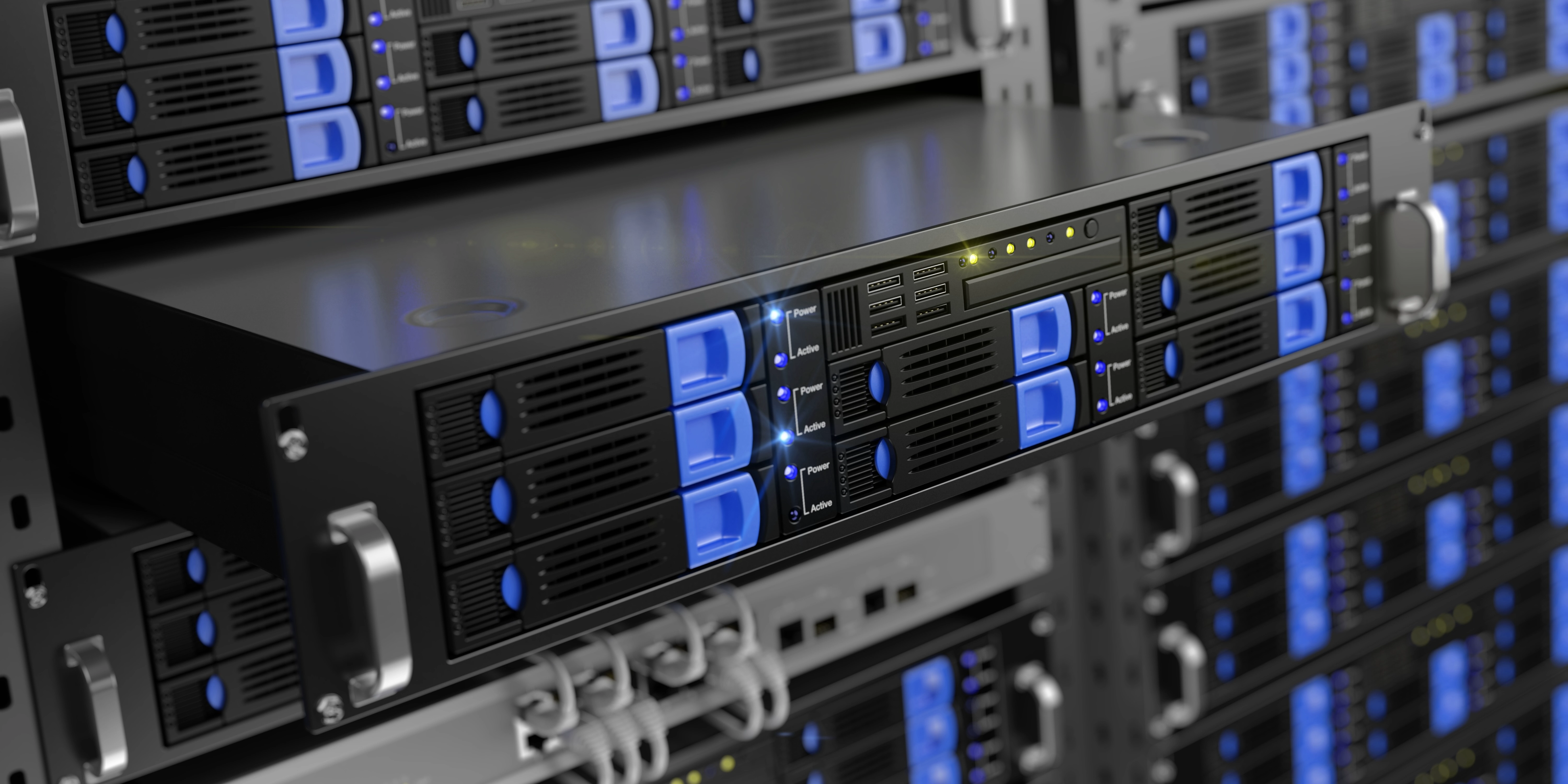
Server hardware refers to the physical machines designed to host and manage server software. While any computer can technically function as a server, dedicated server hardware is designed with specific characteristics in mind, particularly focusing on redundancy and reliability.
-
Reliability and Redundancy:
- Power Supplies: Server hardware often includes multiple power supplies to ensure that if one fails, the system can continue operating without interruption.
- Storage: Servers frequently utilize RAID (Redundant Array of Independent Disks) configurations, which allow for data to be duplicated across multiple drives to prevent data loss in case of hardware failure.
- Cooling: Servers are built to handle high workloads and often feature enhanced cooling mechanisms to prevent overheating.
-
Connectivity:
- Servers typically offer extensive connectivity options, including multiple network interfaces and a variety of ports to ensure they can connect to various devices and networks as needed.
Server Software
Server software encompasses the programs that run on server hardware to provide services or resources to clients. The variety of server software is extensive, covering different needs and applications:
-
Web Servers:
- Example: Apache, Nginx
- Web servers host websites, handling HTTP requests from clients and serving the requested web pages or resources.
-
Database Servers:
- Example: MySQL, PostgreSQL
- Database servers manage and provide access to structured data, enabling applications to store and retrieve information efficiently.
-
File Servers:
- Example: Samba, NFS
- File servers allow clients to access and manage files over a network, facilitating shared storage solutions.
-
Game Servers:
- Example: Minecraft Server, Counter-Strike: Global Offensive Server, Garry's Mod Server
- Game servers facilitate multiplayer gaming experiences by managing the game's state and coordinating interactions between players.
-
Application Servers:
- Example: Apache Tomcat, JBoss
- Application servers provide a platform for running specific applications or services, often facilitating interactions between clients and databases.
Servers Applied
With the understanding of the two major components of a server (hardware & software), it's easier to understand the needs of certain applications
Server Roles and Flexibility
It's crucial to note that while specialized hardware exists for servers, any computer can technically serve as a server. The term "server" doesn't refer to specific hardware specifications but rather to the role a system plays. For example:
- Hosting a Game Server: You could use a regular laptop or desktop to host a game server, allowing others to connect and play. The main concern would be ensuring that the computer remains on and available, as turning it off would make the service inaccessible to others.
- Home Lab Setups: Many enthusiasts set up home labs using regular PCs or purpose-built servers to experiment with hosting services, running websites, or even managing networks.
Choosing the Right Hardware and Software
When setting up a server, the choice of hardware and software should align with the intended use. For mission-critical applications, it's wise to invest in hardware with redundancy and reliability features. However, for casual or experimental setups, any capable computer can suffice.
In terms of software, the choice depends largely on the service being offered. For example, setting up a personal website would require a web server, while hosting a multiplayer game would involve specialized game server software.
Conclusion
Servers are integral to modern computing, providing the backbone for countless services and applications. By understanding the difference between server hardware and software and recognizing the flexibility in server roles, you can better appreciate the technology that powers your favorite services and even set up your own server if you choose. Whether you're hosting a website, managing a database, or running a game server, the world of servers offers endless possibilities.